
Table of Contents
What if the next major medical breakthrough comes from an algorithm rather than a human? For decades, scientists have relied on manual laboratory work. However, this slow process is finally changing.
The Core Concept
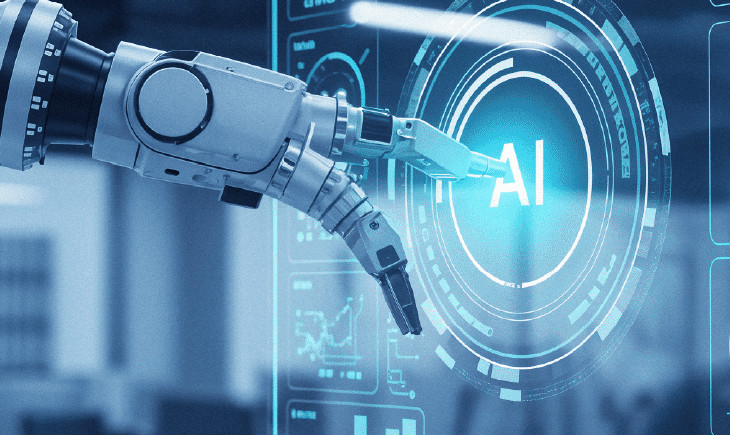
Autonomous science represents a massive shift in research. Instead of simply analyzing data after an experiment, artificial intelligence now actively controls the instruments. The AI formulates a hypothesis, runs the physical test, and adjusts parameters in real time.
How It Works
This concept relies on closed-loop automation. First, robotic systems prepare the chemical or biological samples. Then, connected laboratory instruments execute the physical experiment. Furthermore, an AI model analyzes the incoming data streams instantly. If the results look promising, the AI automatically directs the robots to run follow-up tests. Therefore, researchers can step back and let the system explore thousands of variables simultaneously.
Core Engineering Mechanics
Integrating these physical and digital systems requires extreme precision. The process dynamics involve continuous feedback loops. Instruments must convert analog physical signals into digital data instantly. This demands edge computing directly at the laboratory bench. Consequently, engineers use high-speed data pipelines to prevent latency from ruining the experiment. The system continuously adjusts reaction kinetics based on split-second sensor readings.
Modern Industry Impact
We are seeing this transition happen right now. Today, life sciences giant Danaher announced a major collaboration with NVIDIA. They aim to bring advanced AI technologies directly into scientific instruments. This partnership will optimize laboratory workflows and accelerate drug discovery. Consequently, pharmaceutical companies will slash the time it takes to bring new medicines to market.
Conclusion
The laboratory of the future will not look like a traditional chemistry room. Instead, it will look like a highly automated data center. Autonomous science will ultimately push the boundaries of what humanity can discover.
